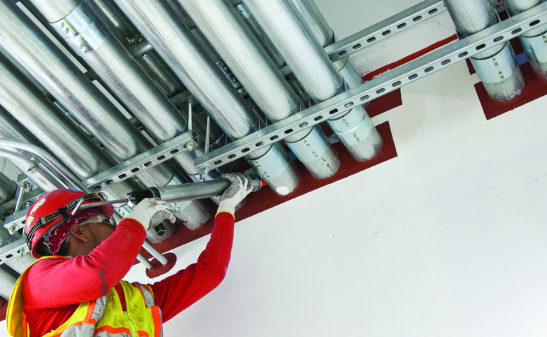


Structural fire engineering is the specialized discipline that analyzes how building structures respond to fire exposure, ensuring they maintain integrity long enough for safe evacuation and firefighting. It combines principles of structural design with thermal analysis to predict how materials like steel, concrete, and timber behave under elevated temperatures.
This approach enables performance-based solutions that optimize fire protection without relying solely on prescriptive fireproofing methods
Design Freedom for Innovative Architecture
Performance-based fire engineering allows architects to explore non-traditional layouts and materials—especially in high-rise, mixed-use, or iconic buildings—without compromising safety. It supports creative solutions that meet regulatory standards through simulation and analysis.
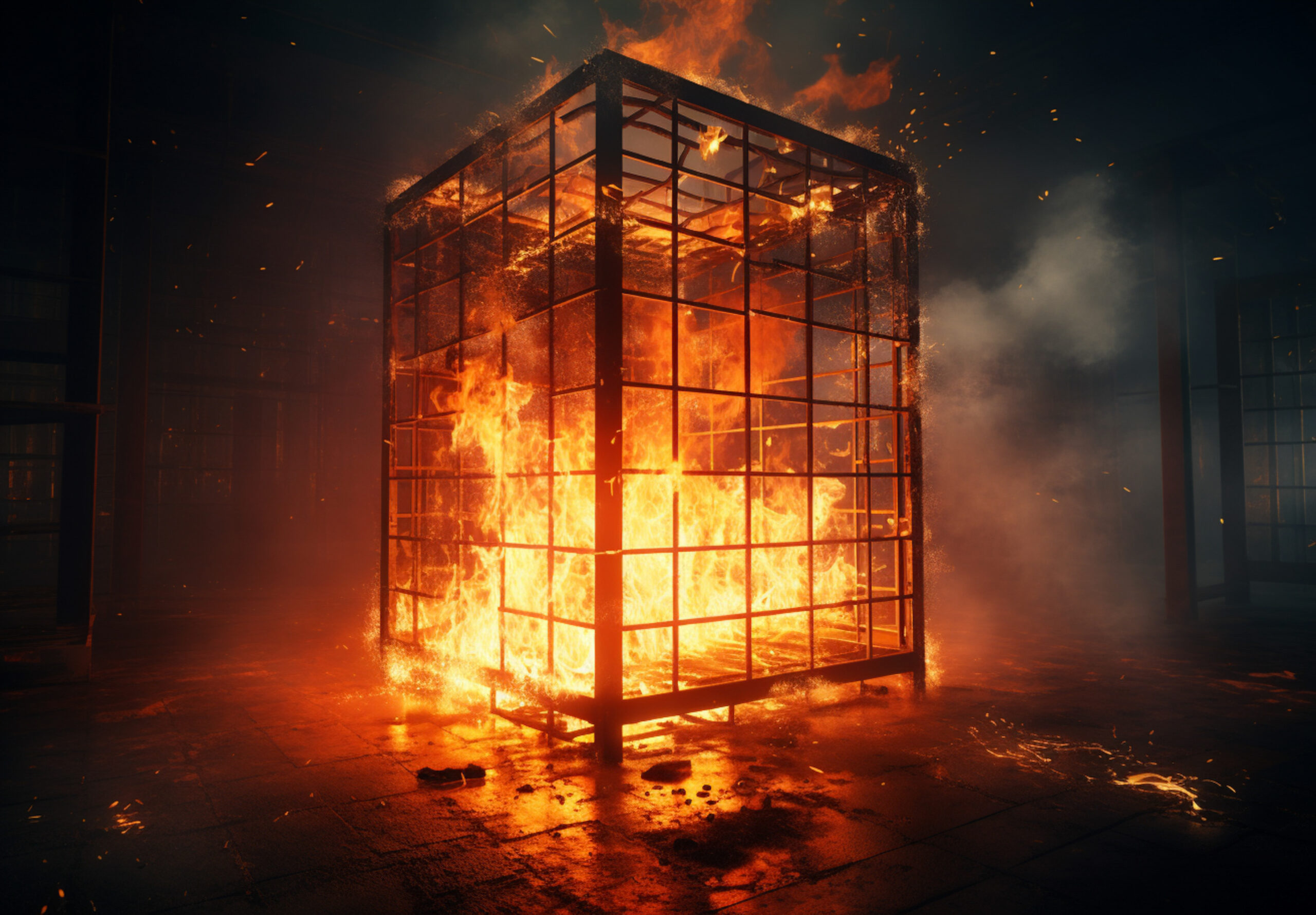
Enhanced Life Safety and Structural Resilience
By analyzing how materials behave under fire conditions, structural fire engineering ensures that buildings maintain integrity long enough for safe evacuation and firefighting. This reduces the risk of collapse and improves occupant protection.

Cost-Effective Fire Protection Strategies
Instead of relying solely on prescriptive fireproofing (like blanket insulation or coatings), engineers can optimize protection based on actual fire scenarios. This reduces unnecessary material use and lowers long-term maintenance costs

Fire Engineering Approach
Structural Fire Design Approaches: From Prescriptive Codes to Advanced Performance Modeling.
This traditional approach follows established fire resistance ratings and code requirements (e.g., 2-hour fire rating for columns). It assumes standardized fire scenarios and applies passive protection (like fireproofing) without detailed analysis of structural behavior. While straightforward, it can be overly conservative or restrictive for complex projects.
This method tailors fire protection strategies to the specific building, using realistic fire scenarios, material behavior, and structural load paths. It allows engineers to justify alternative solutions—such as reduced fireproofing—by demonstrating equivalent or superior safety through analysis and simulation.
Using tools like finite element analysis (FEA) and computational fluid dynamics (CFD), engineers simulate how structures respond to fire over time. These models account for temperature distribution, material degradation, and structural deformation, enabling precise, cost-effective fire protection strategies for high-rise or architecturally unique buildings
Service Benefits
- Why do I need structural fire engineering for my building?
-
Structural fire engineering ensures your building can withstand fire exposure long enough for safe evacuation and firefighting. It’s essential for high-rise, complex, or non-standard designs where traditional fireproofing may not be sufficient or cost-effective.
- Can structural fire engineering reduce my fireproofing costs?
-
Yes. By analyzing how your structure behaves under realistic fire scenarios, engineers can justify reduced fireproofing in certain areas—saving on materials and maintenance while still meeting safety and regulatory standards.
- Will Civil Defense accept performance-based structural fire designs?
-
Absolutely—if prepared by a certified House of Expertise and supported by fire modeling, thermal analysis, and structural simulations. These designs are reviewed and approved by Abu Dhabi Civil Defense when they meet life safety objectives.