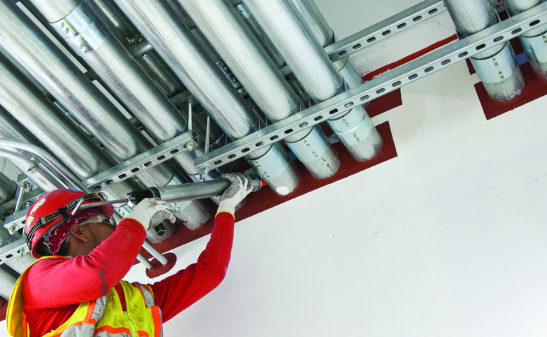


Fire Risk Assessment is a structured process used to identify potential fire hazards, evaluate the level of risk they pose, and implement measures to reduce or eliminate those risks.

It involves assessing ignition sources, fuel loads, vulnerable occupants, and the effectiveness of existing fire protection systems. This assessment is essential for ensuring life safety, legal compliance, and the protection of property and business continuity

Legal Compliance & Regulatory Assurance

In Abu Dhabi and across the UAE, conducting regular fire risk assessments is a legal requirement under Civil Defense regulations. It ensures your premises meet safety standards, reducing the risk of fines, shutdowns, or delays in licensing.


Early Hazard Identification & Prevention

Fire risk assessments help detect potential hazards—like blocked escape routes, faulty wiring, or flammable materials—before they escalate. This proactive approach allows businesses to implement corrective measures and prevent fire incidents.

Protection of People, Property & Business Continuity

By minimizing fire risks, assessments safeguard lives, reduce damage to assets, and help maintain uninterrupted operations. This also supports insurance claims and lowers premiums by demonstrating a strong safety culture


Fire Engineering Approach

Fire Risk Assessment: Identifying Hazards, Ensuring Compliance, Enhancing Safety.

Fire engineers systematically inspect the premises to identify ignition sources, fuel loads, vulnerable occupants, and deficiencies in fire protection systems. They assess the likelihood and impact of potential fire scenarios.

They compare findings against UAE Civil Defense regulations and international fire codes (e.g., NFPA, BS) to highlight non-compliance. Then, they recommend practical, cost-effective corrective actions to mitigate risks and meet legal standards.

Based on the assessment, fire engineers develop tailored fire safety plans—covering evacuation procedures, signage placement, fire warden roles, and system upgrades—to enhance life safety and operational resilience.

Service Benefits

What does a fire risk assessment include?

t includes a detailed inspection of fire hazards, ignition sources, escape routes, fire protection systems, and occupant vulnerabilities—followed by a report with risk ratings and recommended corrective actions.

How often should fire risk assessments be conducted?

Typically once a year, or whenever there are major changes to building layout, occupancy, or fire systems. High-risk facilities may require more frequent assessments to maintain compliance and safety.