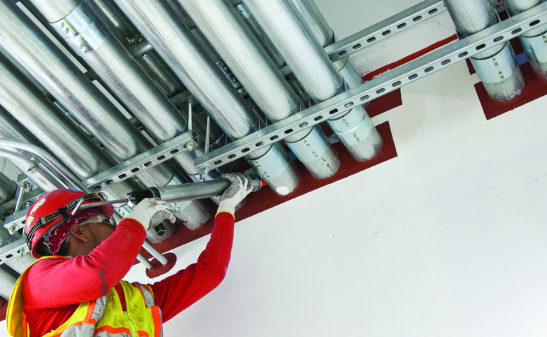


Fire Safety Training equips individuals with the knowledge and skills to prevent, respond to, and safely evacuate during fire emergencies. It covers topics such as fire behavior, use of extinguishers, alarm systems, and emergency procedures tailored to specific building types and risks
Regular training enhances workplace safety, ensures regulatory compliance, and empowers staff to act confidently under pressure
Legal Compliance & Civil Defense Readiness
Regular fire safety training is a requirement under UAE Civil Defense regulations. It ensures your team understands fire protocols, extinguisher use, and emergency roles—supporting inspection readiness and license renewals.
Life-Saving Preparedness
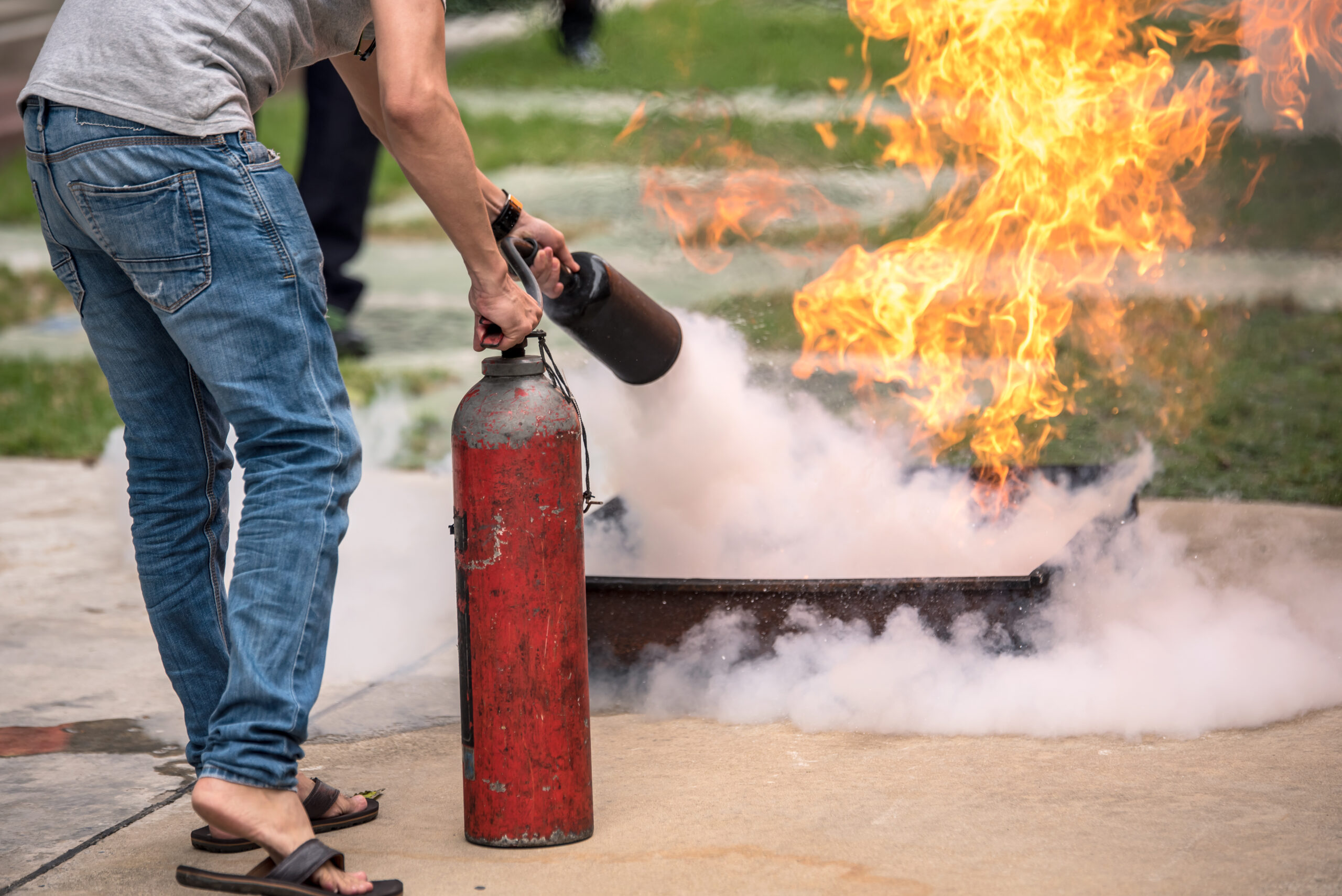
Training equips staff with the knowledge to respond quickly and correctly during a fire emergency—reducing panic, improving evacuation efficiency, and potentially saving lives.
Risk Reduction & Business Continuity
Trained personnel are more likely to prevent fire hazards before they escalate. This minimizes property damage, protects assets, and helps maintain uninterrupted operations during and after incidents.
Fire Engineering Approach
Fire Safety Training Programs: Risk-Based, Hands-On, and Civil Defense-Compliant.
Fire engineering offices develop customized training programs based on the specific fire risks, occupancy types, and operational hazards of each facility. This ensures that staff are trained on relevant scenarios, equipment, and evacuation procedures.
They conduct live fire extinguisher training, evacuation simulations, and emergency response drills—ensuring participants gain real-world confidence in using fire safety systems and executing their roles during an emergency.
Fire engineering offices ensure that training aligns with UAE Civil Defense requirements, maintaining documentation, attendance records, and issuing certificates that support inspection readiness and license renewals.

Service Benefits
- What does fire safety training include?
-
Training covers fire prevention practices, emergency procedures, evacuation protocols, alarm systems, and hands-on use of fire extinguishers. It can be customized to your building type, risk profile, and staff roles.
- How often should we conduct fire safety training?
-
At least once a year, or whenever there are changes in staff, building layout, or fire systems. High-risk environments may require more frequent sessions to maintain compliance and safety awareness.